
- Collected
- Article
No Permission Required: Matt Abbott on finding his place as a working-class poet
- 1 October, 2026
Matt Abbott is a Wakefield-born poet and award-winning lyricist. His full-length works include ‘Two Little Ducks’ (a critically acclaimed stage show published by VERVE in 2018), ‘A Hurricane in My Head’ (ages 9-12), published by Bloomsbury in 2019, and ‘Peacocks Can’t Swim’, due out with Broken Sleep in 2027. He’s also known for fronting indie act Skint & Demoralised and for co-founding LIVEwire Poetry.
Navigating the poetry sector with a working-class background brings two strong likelihoods. Firstly, you’ll never fully shake off the imposter syndrome. Secondly, you’ll always cringe a little when people in ‘real life’ interactions ask what you do.
Because – much as you might always feel unnatural in the poetry world – if you’re from a working-class background, poetry definitely feels unnatural to your world. The two simply don’t mix: it’s not for us, it’s not by us, and beyond being something we study for GCSEs, poetry serves little purpose or meaning.
So, if you identify as coming from a working-class background, and you also find yourself writing and performing poetry on even a semi-serious level, you develop a conflicting identity. And the more prominent poetry becomes in your life, the more keenly you feel that.
There are two questions that almost everybody asks when you “out yourself” as a poet, and they play a key role in underlining the colossal divide you’re trying to cross. First, “have you been published?”, and second, “where did you study?”
The assumption being that, if you’re a ‘proper’ poet, you’ve been professionally published, and therefore, must surely have an English degree. This perfectly encapsulates the wider perception of poetry.
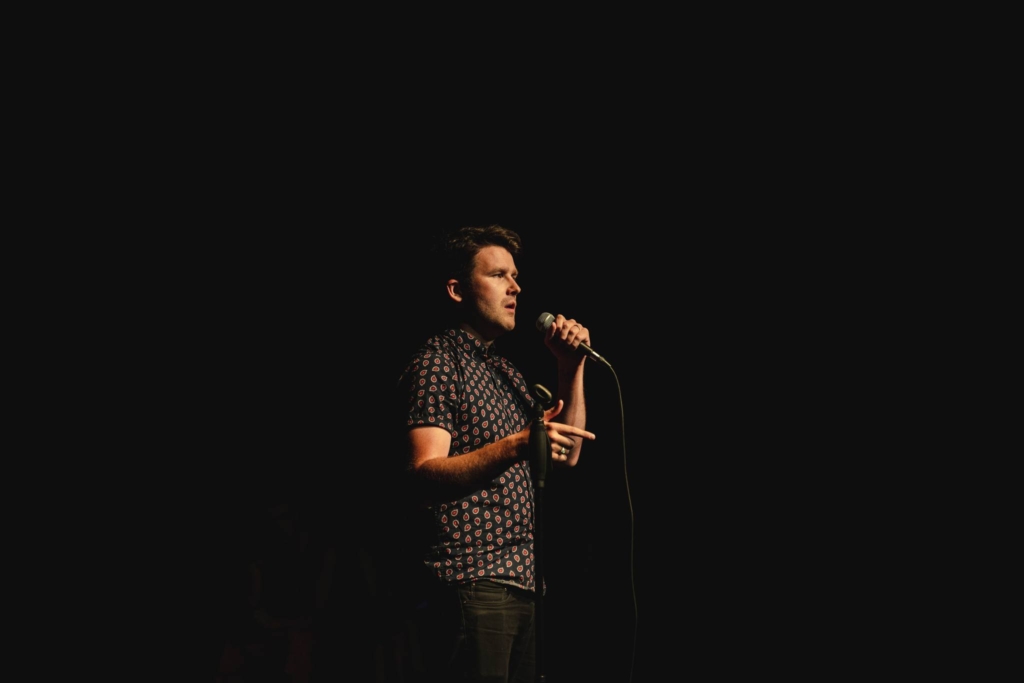
Matt Abbott performs onstage
And those two spheres – publication and academia – will drive your imposter syndrome. I’d been writing and performing poetry for nearly a decade before I had a poem published, and it was 12 years before my first full-length solo book. I didn’t attend University, or even study English Lit at A-Level, and so I’m firmly in the “outsider” camp.
Education is, of course, hugely rooted in social class. And by studying poetry, particularly at one of the more reputable unis, you access to a world of knowledge or understanding that sets you apart from the rest.
Back in 2017, I was invited onto the BBC Breakfast sofa, in response to a new initiative to make state school pupils memorise 100 poems. Now, I’m all in favour of more poetry in state schools, and I’m also in favour of memorising poetry. However, the other guest, joining via video link, stated that one of the key benefits behind this initiative was to enable pupils from working-class backgrounds to be able to “hold conversations” with people who’d had private education.
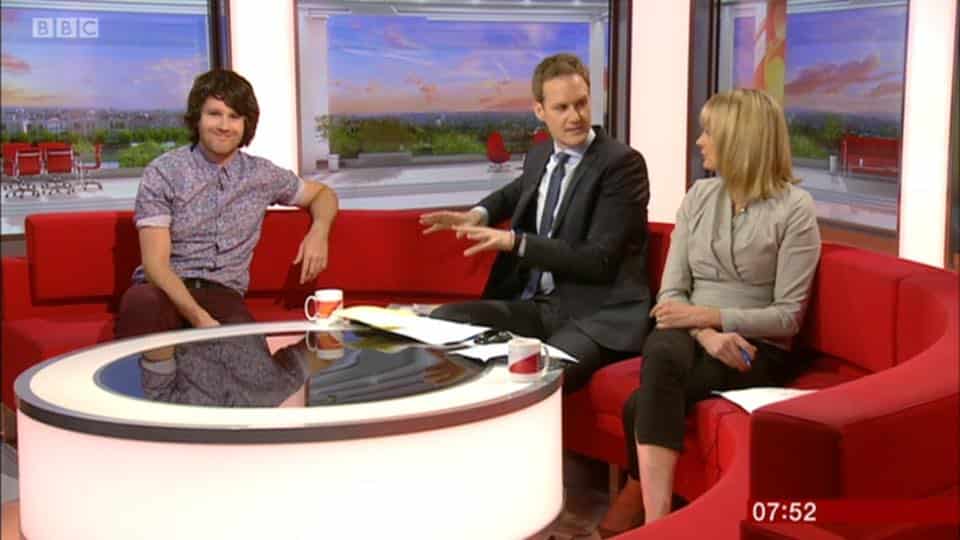
Matt Abbott on the BBC Breakfast sofa.
Poetry was a way of ‘us”’ hoisting ourselves up to ‘their’ level. It wasn’t something to resonate with our life experience; to inspire and empower us to tell our own stories or see ourselves reflected through the words of others. Poetry was a form of currency that would allow us to hold court with the upper echelons.
Now, this isn’t something I encounter on a regular basis in the poetry sector. But you’ll often hear or read certain references that fly over your head, and you soon realise there’s an assumed base level of understanding, which is rooted in degree-level education. You can often find yourself excluded from conversations because, quite frankly, your literary education stemmed from saving up pocket money to buy The Streets’ album Original Pirate Material from HMV.
The way to navigate this is to recognise that all form of inspiration is valid. And if, like me, you’re entirely self-taught, it doesn’t devalue or delegitimise your poetry. If you write poetry that other people connect with, that’s all that matters. Plus, let’s face it: there are some people who are highly educated experts in the field of poetry, and whose work is dull and pretentious. And there are wide-eyed youngsters who step up at an open mic, with zero academic clout, whose work is captivating.
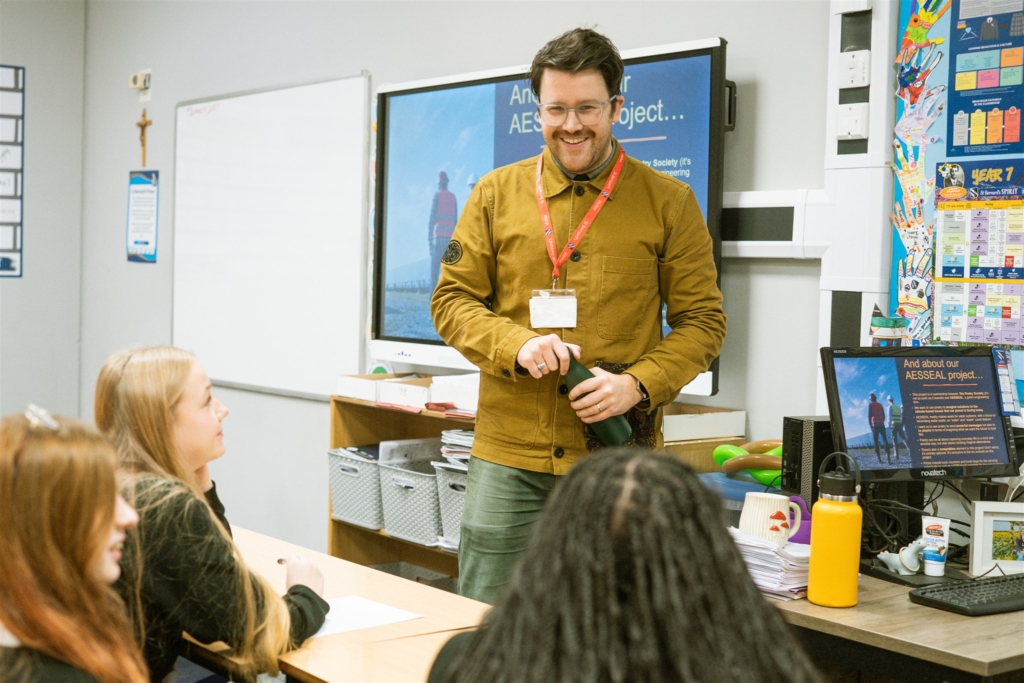
Delivering a Poetry Society workshop
Publishing is the main obstacle. Because you either did go to university, or you didn’t. Whereas, publishing will always remain at the forefront of the sector, and how you choose to navigate that is far more difficult if you’re from a working-class background.
It’s one thing to overcome imposter syndrome and read at an event. It’s another thing entirely to begin submitting to literary magazines, competitions and, ultimately, publishers. Put it this way: I didn’t start until autumn 2023.
And even once you have overcome imposter syndrome, playing the submissions game is costly and time-consuming. You can easily spend hundreds of pounds per year on a few dozen rejections to ramp that imposter syndrome back up again. Rejections are part and parcel, but they’re harder to adapt to when you already feel out of place.
For the first decade of my career, I wrote with a live audience in mind. When I did a week’s run at Edinburgh Fringe in 2015, I self-released a spoken word album on CD, by way of post-show merch. When I was paid a significant fee for doing a Nationwide advert in 2016, I invested most of it in a full Fringe run in 2017.
For me, it was all about the stage. I never even considered trying to find a route into publishing because it felt utterly out of reach. As it happened, I was approached by a new indie poetry press who published my 2017 show, ahead of a UK theatre tour. I never even had a separate book launch.
In hindsight, part of me embraced this outsider status through self-preservation, and the other part just had no idea where to start. It was only after I finished writing a novel in 2023 that I found the confidence to start tapping into the ‘proper’ poetry scene.
That October, I submitted to Butcher’s Dog Poetry Magazine and entered the National Poetry Competition. In March 2024, I learned one of my poems had been longlisted for the National Poetry Competition, and this gave me the confidence to begin working on my debut collection.
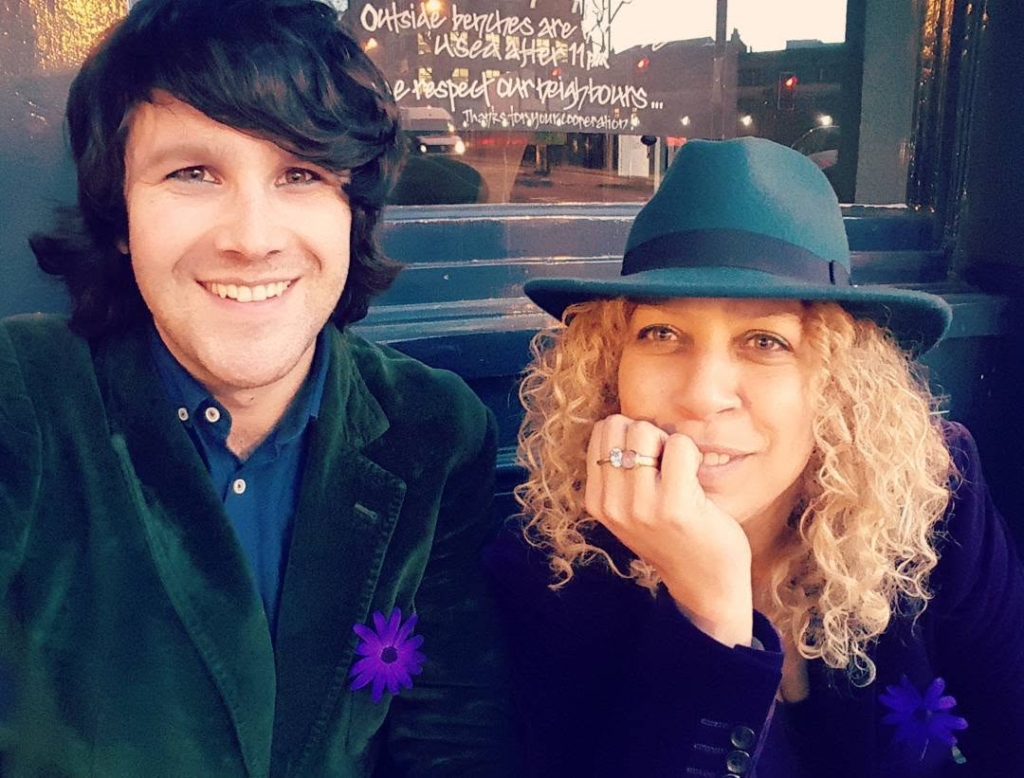
Matt with fellow poet Salena Godden.
Another significant factor for me has been finding friendship and, to a large extent, mentorship with the trailblazing working-class poet Salena Godden. Over the last decade, Salena has inspired me countless times: the way she moves against the grain, carves out opportunities on her own terms, never apologises for who she is, and constantly defies the class-based barriers that often stand in our way.
As a poet from a working-class background, I’ve found you’re either apologising for what you’re doing, or waiting for permission. You shouldn’t do either. Recognise the value in what you have to say, embrace the fact that your route into poetry is likely to be different to anybody else’s, and don’t let anybody feel like you don’t belong.
My number one piece of advice for any artist, working in any art-form and coming from any social class, is to create work for yourself, and nobody else. But being a poet from a working-class background, this becomes more pertinent. Don’t write what you think you should. Write what you’re compelled to. By embracing more poets from a working-class background, the sector can only improve.
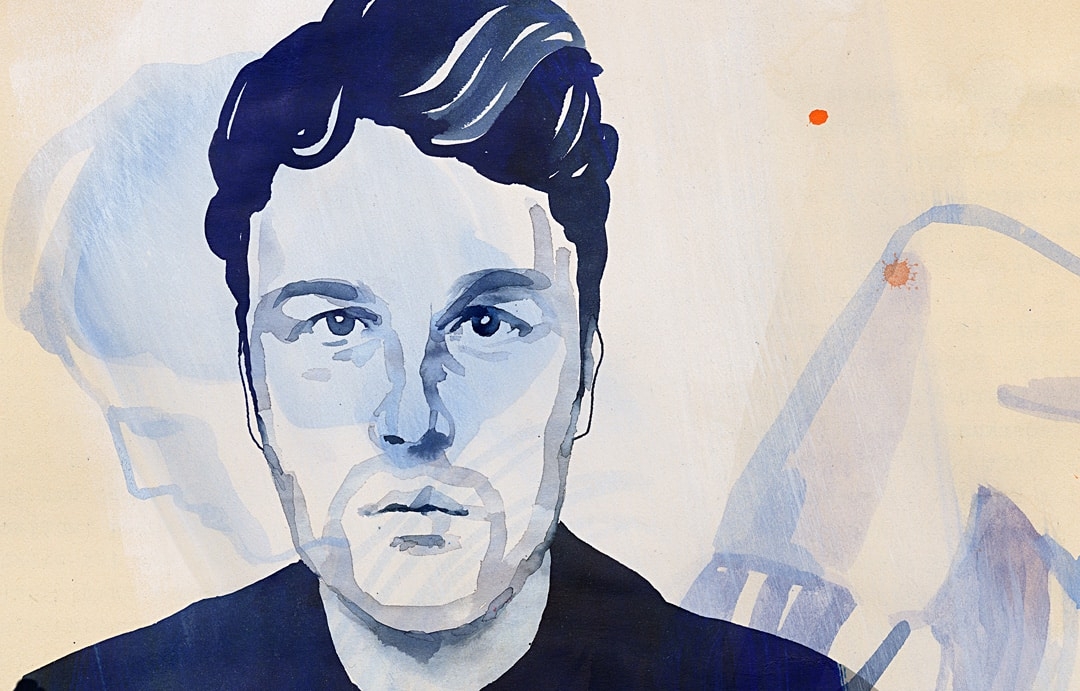
This article originally appeared on our Substack. Main illustration by Tina Berning.
Matt Abbott is an RLF beneficiary. Find out more about the RLF Grants Programme here.
You might also like:

On the legacy of words: three new anniversary poems by RLF writers
Earlier this year we celebrated 235 years of the Royal Literary Fund. To mark the occasion, three RLF writers have…
“Against this backdrop, I wrote and I wrote…”
For UK Disability History Month, RLF beneficiary Penny Pepper on the fight for the disability narrative in fiction
‘Preaching’: A new poem by Roger Robinson
Hear TS Eliot Prize-winning poet Roger Robinson read his new poem ‘Preaching’ on the WritersMosaic website