
- Collected
- Article
A constant state of creative triage
- 10 August, 2026
With the news that Paramount’s bid to take over Warner Bros Discovery has been temporarily halted by a judge in California, the proposed merger continues to be fiercely debated. In the US, the 12 states opposing the deal argue it would substantially weaken competition, reducing opportunities for creatives in Hollywood and driving up prices for consumers. The UK Government has also voiced concerns, with Culture Secretary Lisa Nandy citing the need for “a sufficient plurality of views in news media”.
And the proposed merger is by no means the only challenge facing creatives today. The rise of AI, changing fee structures and redundancies at the BBC and Sky, along with Comcast’s recently-announced £1.6bn takeover of ITV, means the landscape for today’s dramatic writers is as challenging as it was when Sameera Steward, screenwriter and RLF JB Priestley Award recipient, took part in our RLF Dramatic Writers’ Roundtable in March 2025.
So what is it actually like, working through such constant change? Sameera takes us behind the scenes, sharing the reality of life as a screenwriter in 2026.
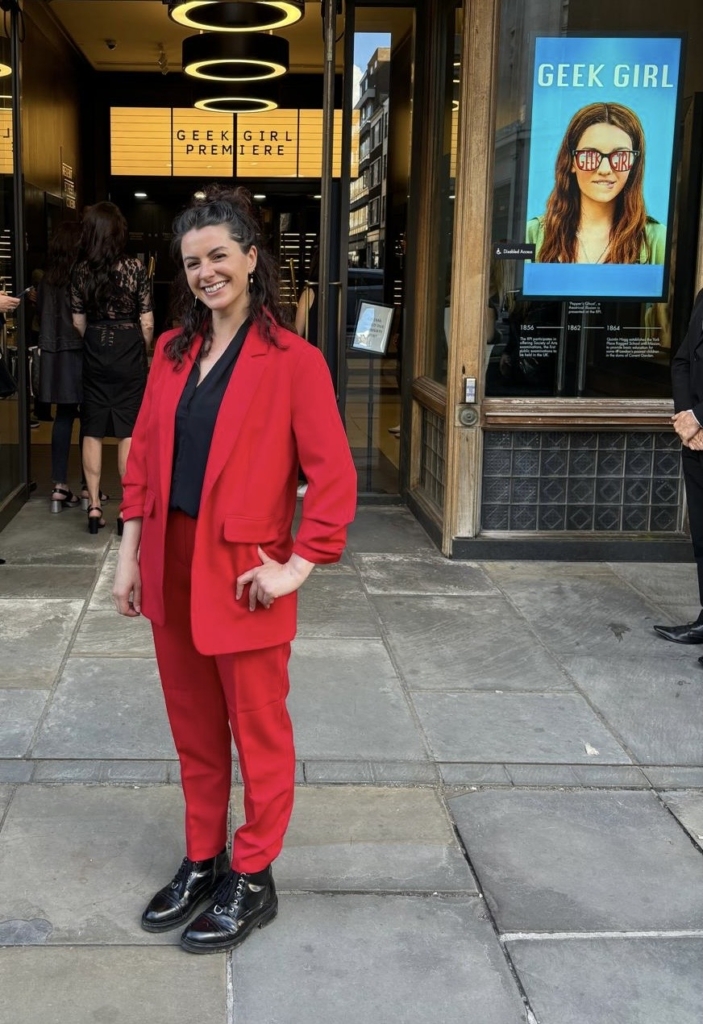
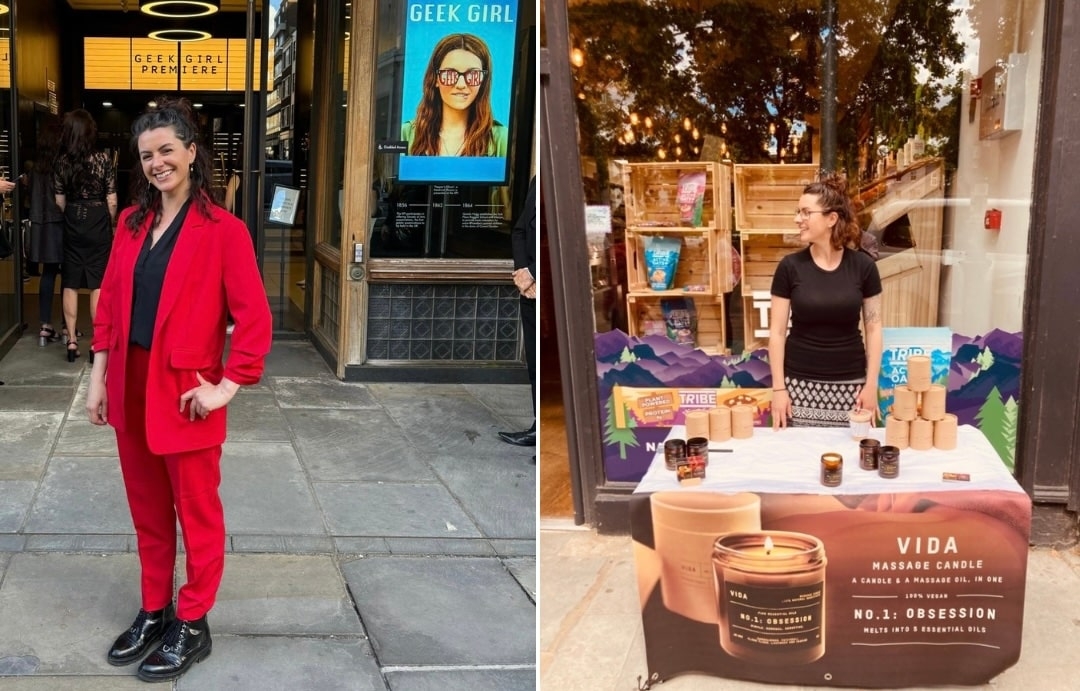
Sameera Steward at the Geek Girl premiere
Working as a screenwriter feels a bit like being in a constant state of creative triage.
When you’re deep in treatments, pitches, and that perfect scene that just feels right, the practical side of life – rent, bills, groceries – doesn’t suddenly take a sabbatical. It continues, loud and clear.
I’ve been lucky to have had some real highs in my career. I’ve recently worked on a number 1 Netflix series across all 3 seasons, had originals in development, been paid to work in writers’ rooms, and there are moments – like when an episode you’ve written is filming – that come with a handsome payday. But the reality is that those payments often need to last much longer than they actually do. Development can take months, sometimes years, and there are long stretches in between where you’re very much still working, just not always being paid for it.
This past year has been a stark reminder of how unpredictable the industry can be. More than half of UK film and TV workers have been out of work recently, with surveys like Bectu’s annual Big Survey report showing about 52% of the sector unemployed as projects dry up and opportunities shrink.
At the start of my screenwriting journey, after working as a dancer until my early 20s, I worked at a cinema. I wrote my very first script on the back of till receipts whenever there was downtime… hundreds of tiny scraps of paper filled with ideas, dialogue, scenes. My body was in the cinema, but my mind was always somewhere else.
The people I met there changed my life. Conversations about films, hopes and dreams, late-night debates about what makes a character unforgettable – it was a little hub where, at that point in life, anything felt possible.
Things have changed a lot since then, but those people are still some of my closest friends and collaborators. Some have gone on to become directors, storyboard artists, producers. Others trained as journalists, psychologists or therapists because of their deep fascination with people. I always knew I found my energy inside stories, in scenes and characters, but what these people taught me about creativity, depth and the human condition still feeds into my writing today.
This past year has been a big one in terms of shifting strategies. In between some exciting jobs and developments, I did what I’ve always done – wrote scripts, polished samples, searched for IP that I could beg someone for the rights to, and stayed in touch with contacts I’ve built up over the years. But through it all, a little voice in my head continued to remind me that the money I’d saved from my most recent gig would run out pretty quickly…
So, I did all the things they tell you to do. I joined LinkedIn, scoured job boards, set up alerts. I even got spammed daily with ads asking screenwriters to help train AI – something I’m not interested in doing. What did jump out at me, though, were other ways of writing. Like writing articles (like this one), and – in the spaces between jobs – expanding something I’d already been doing informally for years… script consultancy.
I’ve always loved giving notes – being in writers’ groups, dissecting characters, talking structure and theme with friends. So, I started offering in-depth 10-20-page script reports focusing on character, dialogue, plot, themes and structure through my new company, S Joy S Film.
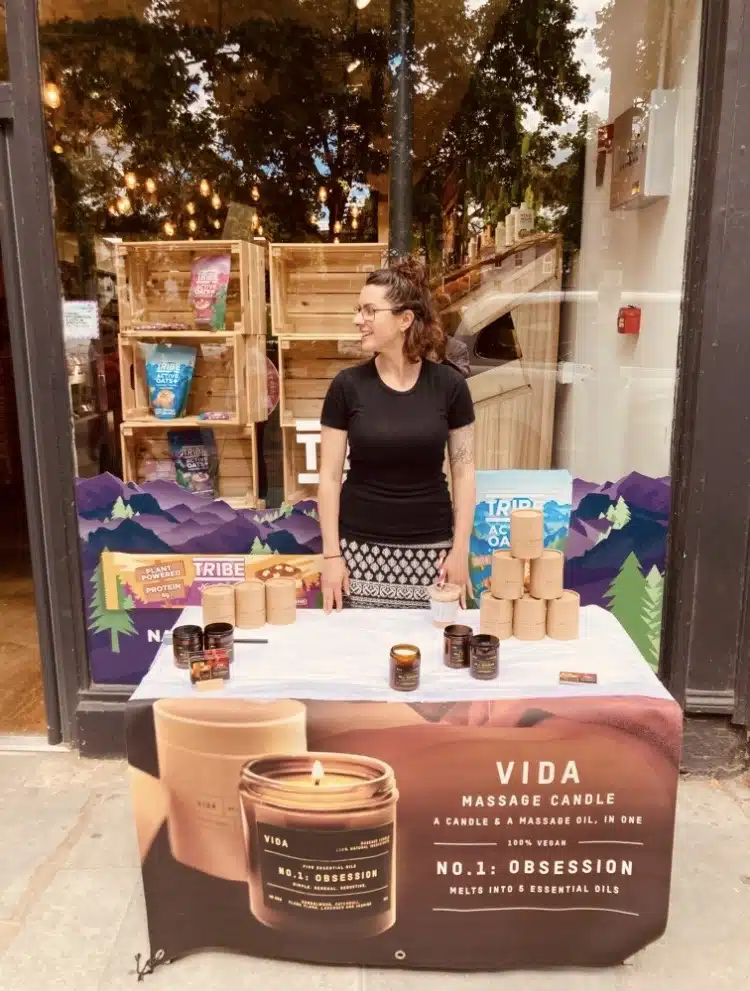
Sameera pictured during one of her other jobs – selling her own homemade candles.
If you’re in screenwriting long enough, you learn that much of the real work happens long before money even considers changing hands. Earlier this year, I took part in a very competitive pitch process in the US for a well-known producer. I wasn’t the only writer involved, and the process involved 8 rounds of pitches, beat sheets and in-depth breakdowns, spread over months. I didn’t get the job, but I gained new creative relationships, doors now open for future ideas, and the characters I created have recently led me to imagine something wholly original.
I’ve learned to tell myself that every time you write, it matters. There is no wasted work… even when the answer is no, even when you’re scribbling on the back of a till receipt words you’ll probably struggle to read later.
Of course, when scripts aren’t paying the bills, you take whatever you can. I’ve been a cleaner and a chambermaid. I’ve worked in bars, walked dogs, sold ice-cream, designed my own brand of massage candles, stood outside in the freezing cold dressed as a chicken handing out flyers. I’ve also permanently damaged my feet working in Harrods in heels I could barely walk in.
Those jobs might seem miles away from plot points and story beats, but they’ve given me access to characters and experiences I’d never have dreamed up in isolation. Life feeds writing, but I won’t sugarcoat it. When you’re freelance, and money isn’t coming in, the fear is real…
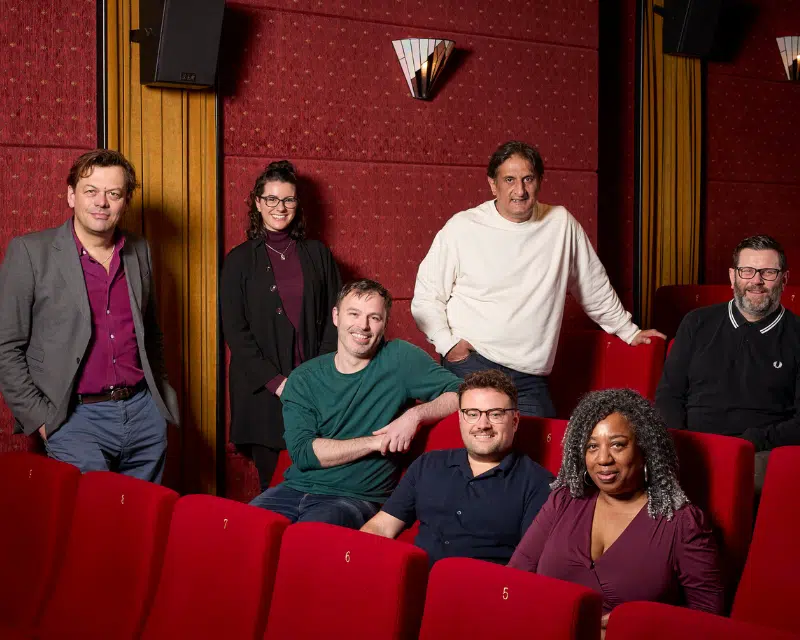
Sameera Steward (second from left) took part in our Dramatic Writers Discussion in March 2025 with, from left to right: Simon Stephens, Joe Ward Munrow, Joe White, Ishy Din, Juliet Gilkes Romero and David Eldridge. Photo credit: Tony Hay)
A couple of years ago I was at a real low, and the Royal Literary Fund helped me enormously. They connected me with Turn2Us and offered support I genuinely didn’t think was available at that time.
After that, I decided to get serious about finances. I opened a business account that automatically saves for tax, obsessively listened to Martin Lewis’s podcast, and learned all the budgeting hacks freelancers quietly rely on to survive.
The lesson I keep returning to is that nothing I’ve ever done has been wasted. Every job, every side-gig, every hustle has fed my writing in some big way. Every conversation, every strange or hard experience has found its way into a character, or a scene, or a story.
In this industry, everything becomes material. Every high and low shapes your creative voice. And that voice can earn money… not always in a straight line, and rarely in the way you imagined, but often in ways that still allow you to live and write.
In the quieter periods, that understanding is what keeps me going. Because if nothing is wasted, then you’re already halfway there.
This article originally appeared on our Substack.
You might also like:
Dramatists gather as Joe Ward Munrow named first Robert Holman Award recipient
On World Theatre Day, Joe Ward Munrow – inaugural recipient of the RLF’s Robert Holman Grant Award – joins dramatists…
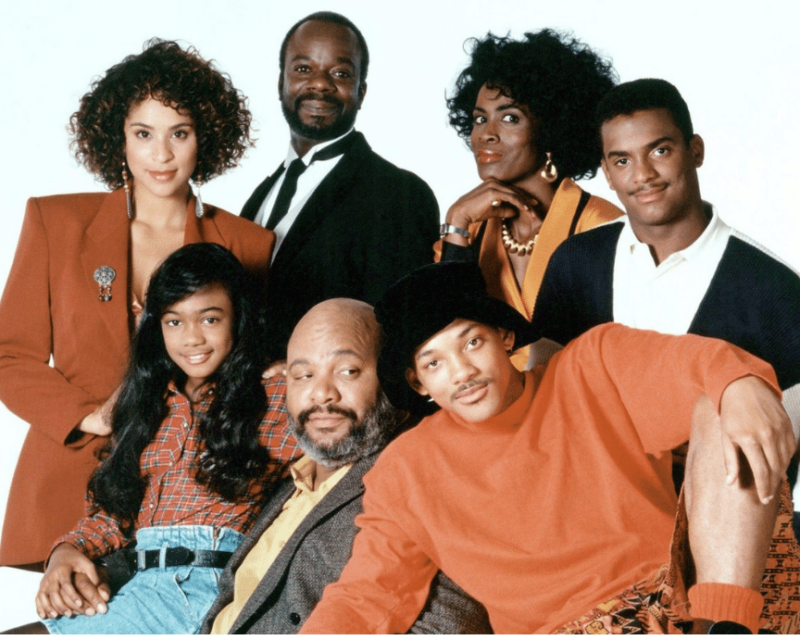
“Nothing about us without us” – Jonny Wright on Black television
RLF Fellow and screenwriter Jonny Wright on the evolution and impact of Black television, from 1990s American shows The Cosby…
Inform, educate and entertain – the story behind BBC Radio 3
2025 Tinniswood Award judge and RLF Fellow Nicola Baldwin on the battle for Britain’s “National Theatre of the airwaves.”