
- RLF News
- Article
My Writing Life: Alice Jolly
- 13 December, 2025
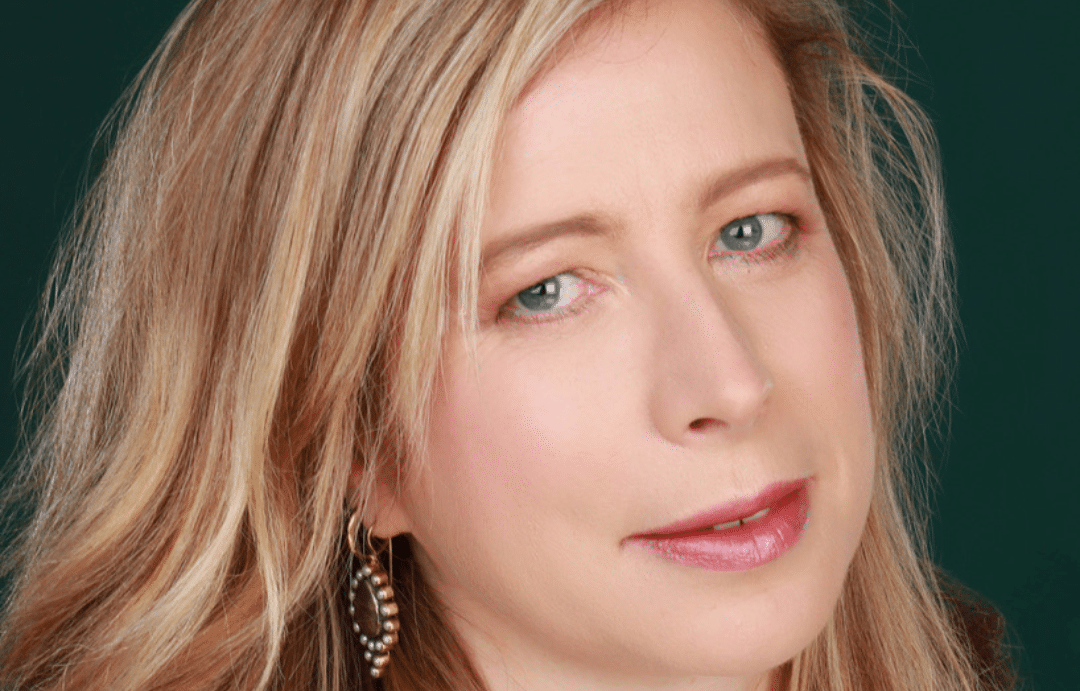
Alice Jolly is a novelist and playwright. Her writing has been awarded the PEN/Ackerley Prize, an O Henry Prize and the V. S. Pritchett Memorial Prize, and has been longlisted for the Ondaatje Prize and the Rathbones Folio Prize. She teaches on the Creative Writing Masters at Oxford University. Her latest book, The Matchbox Girl, is out now.
1. What book should every writer read?
Everyone should read Last Exit to Brooklyn by Hubert Selby Jr. In particular, they should read the Afterword to the novel, which was written by Selby himself. You can find it at the back of the Penguin Modern Classics edition. Selby writes about how the novelist needs to erase himself (or herself) from the book. That isn’t a fashionable approach to fiction in the current moment, but this idea is enormously important to me.
2. What is your typical writing day like?
I can conquer the world between 7 and 11 am. After that, I am no good for anything, so I get going early. Personally, I never have more than three or four hours of writing in me in one day. I used to beat myself up for sleeping in the afternoons but increasingly I know that writing is exhausting and I forgive myself.
3. Who has been an influential figure in your writing career?
I often think of George Orwell writing the novel that would become 1984 on the brooding, remote Isle of Jura between 1946 and 1949. He was dying of an appalling disease, and the daily conditions of his life were so tough. How did he find the courage to keep going? When I am feeling feeble, I think of him and tell myself to stop whining and write.
4. What is the one thing you wish someone had told you before you started your career as a professional writer?
I have always been waiting to ‘get there’ or ‘arrive.’ There have been several moments in my career, particularly after winning prizes, when I have thought, “Now all this will be different.” In reality, you sit down every morning and write, and that continues no matter whether you are ‘succeeding’ or ‘failing.’ The trick is to keep the creative work in one box and the business of publishing in another, and never let the contents of those two boxes mix.
5. What is the best advice you’ve ever received about your writing?
Never tell the reader anything that they could work out for themselves, and always massively overestimate the intelligence of the reader. As the writer, you own the black typeface but the reader owns the white spaces. Make sure those white spaces are large enough so the reader can make the book their own.
6. What has been the proudest moment of your career so far?
My new book The Matchbox Girl was shockingly difficult to write. At a certain point, I decided to ditch any expectation that the book would ever be finished. It was easier to take that approach than to keep begging and praying for the moment when it would end. The fact that the book is finished – and published – feels exciting, although I also never want to look at it again.
7. What are you reading right now?
I am reading a first novel called Keshed, written by a guy called Stu Hennigan. It is a tough read, but really impressive. The book is published by a tiny press (Ortac). Hats off to them for publishing this book, but I worry so much about small presses. They are keeping literary fiction alive, but they are just not getting the support that they need.
8. Are you a bookmarker or page-folder?
A bookmarker. However, I do often leave a book propped open on the bed when I go to sleep. When I was young, I saw old people sleeping in beds covered with books, clothes, and unopened post. I used to think, “Who would live in that way? Those people must be entirely senile.” Now I am one of those people.
This article originally appeared on our Substack.
You might also like:
My Writing Life: Ian McEwan
“Recognise the intense pleasure and privilege of living by one’s writing.” – Ian McEwan
My Writing Life: Bidisha Mamata
Bidisha Mamata is a writer, broadcaster and an artist who makes films and stills. She is the author of the…

My Writing Life: Alex Wong
“There are no practical revelations I wish I’d had earlier. I only wish I’d been able to save myself some…