
- RLF News
- Article
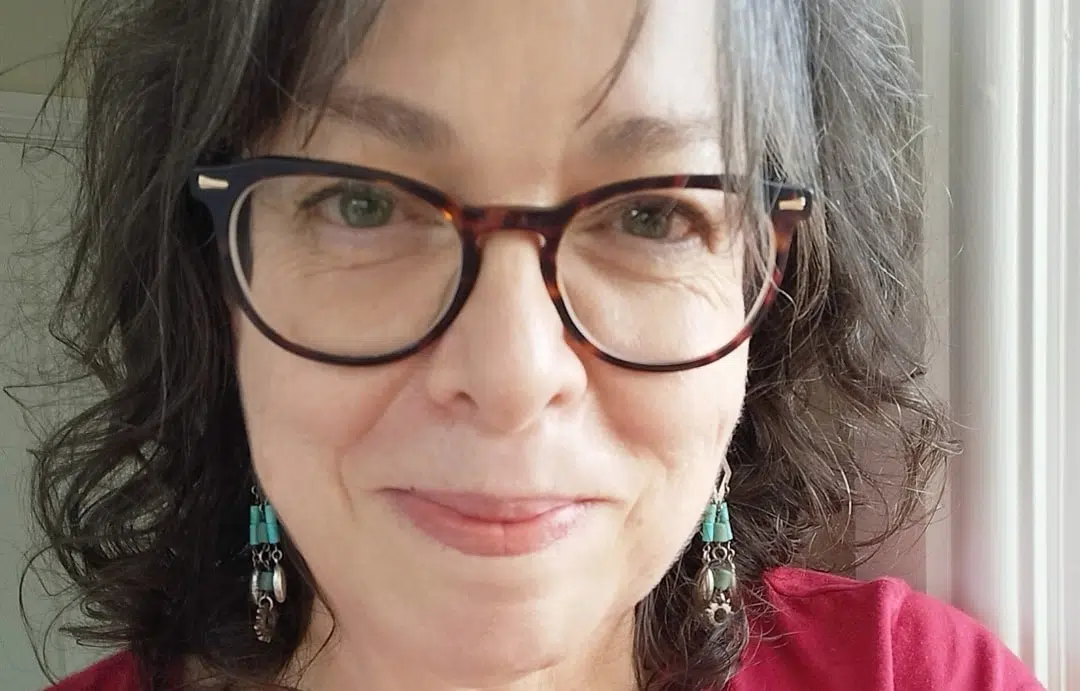
My Writing Life: Amanda Mason
- 26 October, 2026
Amanda Mason was born and brought up in Whitby, North Yorkshire. She studied Theatre at Dartington College of Arts, where she began writing by devising and directing plays. Her short stories have been published in several anthologies, and her short story, Three Times, Lefthandwise, was shortlisted for the V.S. Pritchett Short Story Prize in 2021. Her debut novel, The Wayward Girls, a dark and captivating story of sisterhood and family secrets, and The Hiding Place, a haunting novel about mothers and daughters, are both published by Bonnier Zaffre. Her third novel, The Dark, a folk horror set in the 1972 power cuts, has just been published by Manilla Press.
1. What book should every writer read?
Joseph Jebelli’s The Brain at Rest. Like many writers, I have a day job, and when my writing time has to fit in around it, the pressure to not waste time and get things done can be so overwhelming it almost gets in the way of doing anything at all. It sounds counterintuitive, but stopping, daydreaming, staring into space, napping – all these things can improve your ability to juggle tasks, to think creatively and to write. I’ve lost count of the number of people I’ve told about this book, writers and non-writers alike. I’m sure it’s helped improve my focus over the past few months and, if nothing else, it will at least stop you doomscrolling in bed at night.
2. What is your typical writing day like?
Again, because of the day job, there’s not really a typical day; sometimes the best I can manage is twenty minutes on the laptop in the evening. But there is an ideal day. In a perfect world, I write in the mornings, then make some lunch, and then in the afternoon I go for a walk or read a book – when I lived in York, I used to go to the cinema. All the time, I can feel there’s a part of my brain still working on the novel. Then in the evening, I write for a couple more hours. I like a word count – 2,000 words a day is reasonable for me – and I like a deadline.
3. Who has been an influential figure in your writing career?
I had a terrific Creative Writing teacher, the novelist and academic, Sophie Coulombeau. She ran a short story course at The University of York’s Centre Lifelong Learning – which, sadly, is now defunct – and it was a completely brilliant experience at exactly the right time. She followed that up with a novel-writing course, and by the time we’d finished, I knew what I wanted to do. It wasn’t just the exercises and the writing and the feedback, though, valuable as they were. Sophie is the best kind of teacher, passionate and engaged. It was a pleasure to be in the company of someone who knew her own value, creatively and intellectually, and who wanted the best for her students. She led by example and made me feel that I could be a writer.
4. What is the one thing you wish someone had told you before you started your career as a professional writer?
This is from my teenage years, but I wish someone had told me it was OK to be such a constant and determined reader; that it was necessary for me. Similarly, the day-dreaming. I’d liked to have known it was going to pay off in the long term.
5. What is the best advice you’ve ever received about your writing?
When I first queried my agent, Julia Silk, she read the manuscript of The Wayward Girls and recommended a professional edit. This led to a much better book and, eventually, publication. So that was pretty stellar advice. But all the comments, corrections and questions I’ve ever had from editors who understood what I was trying to achieve have been incredibly illuminating. Every time I work with an editor I learn so much; it’s my favourite part of the process.
6. What has been the proudest moment of your career so far?
It’s a tie between being shortlisted for the VS Pritchett Short Story Prize and seeing my novels on the shelf of my local library. I lived in that library as a teenager; reading was pretty much my only hobby, and needless to say, I feel vindicated now.
7. What are you reading right now?
Man Eater by Ally Wilkes, which is out in the UK next January. It’s a gothic horror about the search for a rare and valuable orchid in the Amazonian jungle. It’s almost unbearably claustrophobic and quite, quite brilliant.
8. Bookmarker or page-folder?
I’m a reformed page-folder. What can I say? I’ve seen the light.
This article originally appeared on our Substack.
You might also like:
My Writing Life: Benjamin Wood
“I had a creative writing instructor tell me: ‘Real life is no excuse for bad fiction.’” – Benjamin Wood
My Writing Life: Cerrie Burnell
Children’s author, actor and activist Cerrie Burnell – who is also an RLF grant beneficiary – on her writing life…
My Writing Life: John Siddique
“Dear God, page-folding is deserving of capital punishment. Bookmarks all the way down.” John Siddique on his writing (and reading)…