
- RLF News
- Article
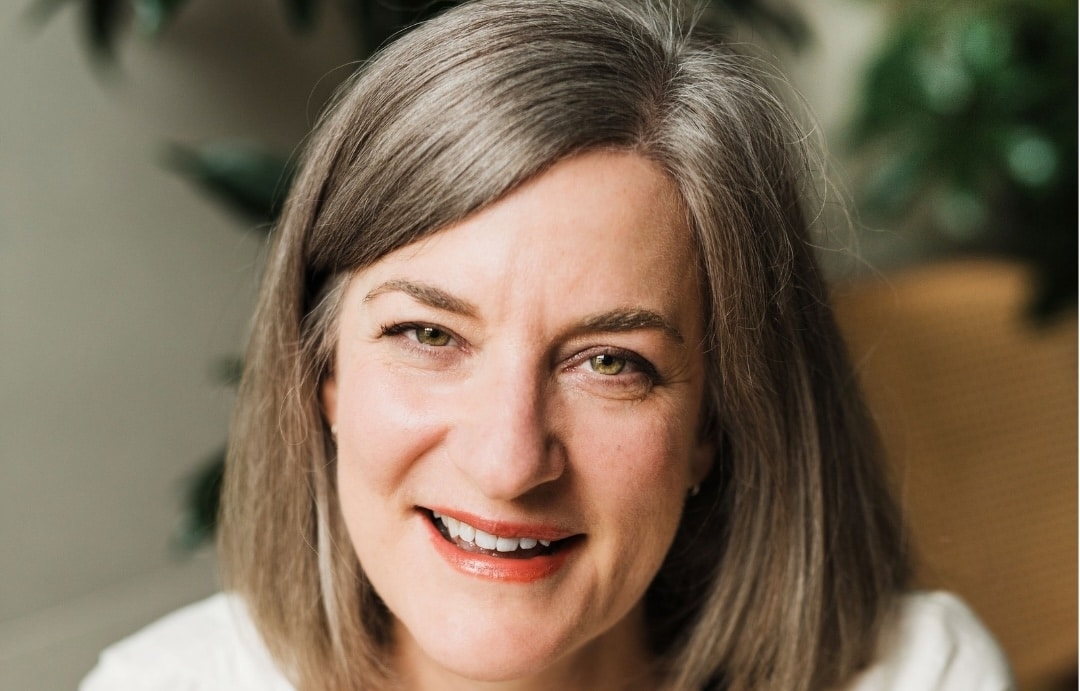
My Writing Life: Cherise Saywell
- 23 November, 2026
- Cherise Saywell
Cherise Saywell recently won the BBC Radio 4 National Short Story Award, run in collaboration with the University of Cambridge. Her award-winning story ‘Ditto’ was praised by the judges for the ways in which it handles a child’s understanding of a complex adult world with “precision” and “delicacy”. The all-female shortlist for the BBC National Short Story Award also included Lucy Caldwell and Laura Beatty, meaning a total of 3 out of 5 of the shortlisted writers were RLF Fellows.
You can listen to ‘Ditto’, read by Richard Goulding, here.
1. What book should every writer read?
Writers should read whatever books they want or need to read. I like to re-read certain titles and I’m always curious about the books other writers return to, and when, and why. Wide Sargasso Sea by Jean Rhys is at the top of my list, along with So Long, See You Tomorrow by William Maxwell. Also Tirra Lirra By The River by Jessica Anderson. There are others too. I have a special shelf for them.
2. What is your typical writing day like?
This week I’ve been home alone with a relatively empty diary. I’ve been getting up, walking the dog and then settling in with a coffee and writing for hours at a time. But that’s rare. I started writing after I had children, so I’ve learned to write in the gaps between other obligations. I wrote my first novel that way – when my babies were napping, or after I’d put them to bed. I’ve always scheduled my writing around part-time jobs. It means I really value those longer windows, when I can be really absorbed.
3. Who has been an influential figure in your writing career?
Robert Edric (author of Peacetime, Sanctuary and My Own Worst Enemy). I met him through a friend many years ago and when I was first trying my hand at short stories, he generously read them. What he showed me was utterly foundational – that writing is a discipline, that good prose comes through constant careful attention to words, to sentences. He taught me how to line edit. I was really lucky to meet him at just the right time, and I was lucky he was so kind and patient.
4. What is the one thing you wish someone had told you before you started your career as a professional writer?
A writer friend once told me that the best advice she’d give to new writers is to always have some other kind of (secure) work. I wish somebody had told me that when I started out. I remember imagining a future where my writing would make me a modest living. But most writers need a job to pay the bills, and I do too. I don’t feel bad about it.
5. What is the best advice you’ve ever received about your writing?
Often the best advice is that given very early on. Mine was from Robert Edric (see above). He said to never let my work go until I’m absolutely happy with it – every sentence, every word. His advice is always ringing in my ears when I’m nearing a final draft. I can’t take it back once it’s published.
6. What has been the proudest moment of your career so far?
Definitely winning the BBC’s National Short Story Award with my story, ‘Ditto’. It’s been such an affirmation. I love the short story form and I always have a story on the go. ‘Ditto’ is set in a world I’ve felt increasingly drawn to in my fiction. For a long while, I avoided it – I wasn’t sure how to write about it in a meaningful way, or how to make stories out of it. Now it feels as if something has shifted and I’ve found my way in. It’s exciting.
7. What are you reading right now?
I’ve just finished Stations by Louise Kennedy. I’ve been reading Kennedy’s work since she first started publishing short stories. She’s wonderful. I have a collection of Edna O’Brien’s short stories on my bedside table that I’ve been dipping into all week. She inspires me constantly. And I’m about to start re-reading The Lost Daughter by Elena Ferrante for a dose of dark, female energy.
8. Bookmarker or page-folder?
Bookmark, definitely. If I can’t find one, I use a receipt, or whatever else might be lying about. I like a book to look like it’s been read, but I can’t bear dog-eared pages.
This article originally appeared on our Substack.
You might also like:
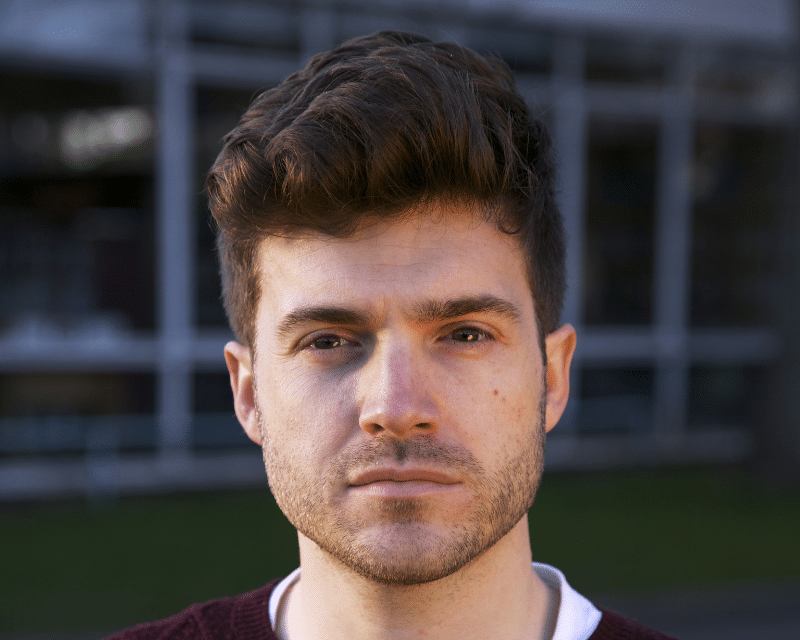
My Writing Life: Benjamin Wood
“I had a creative writing instructor tell me: ‘Real life is no excuse for bad fiction.’” – Benjamin Wood
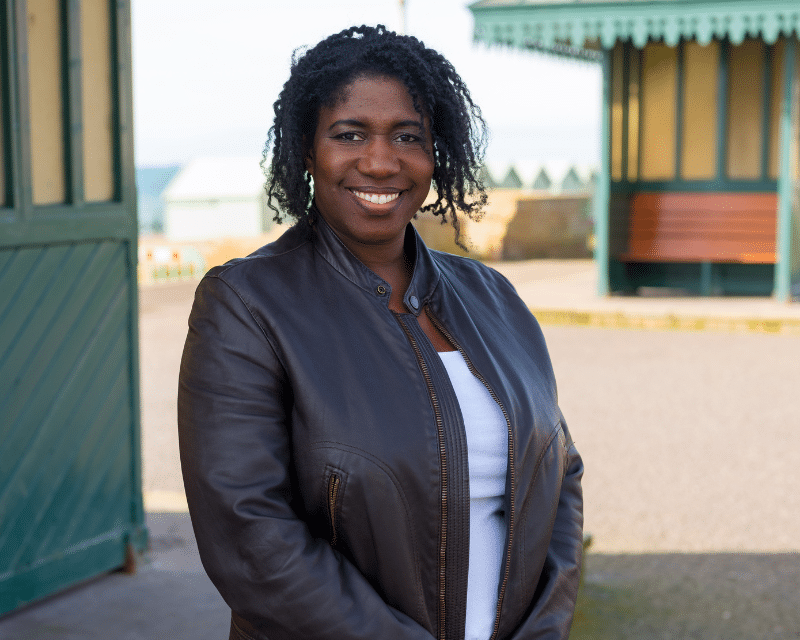
My Writing Life: Dorothy Koomson
“All writers face rejection – it doesn’t make it easier to immediately accept, but it can be comforting to know…
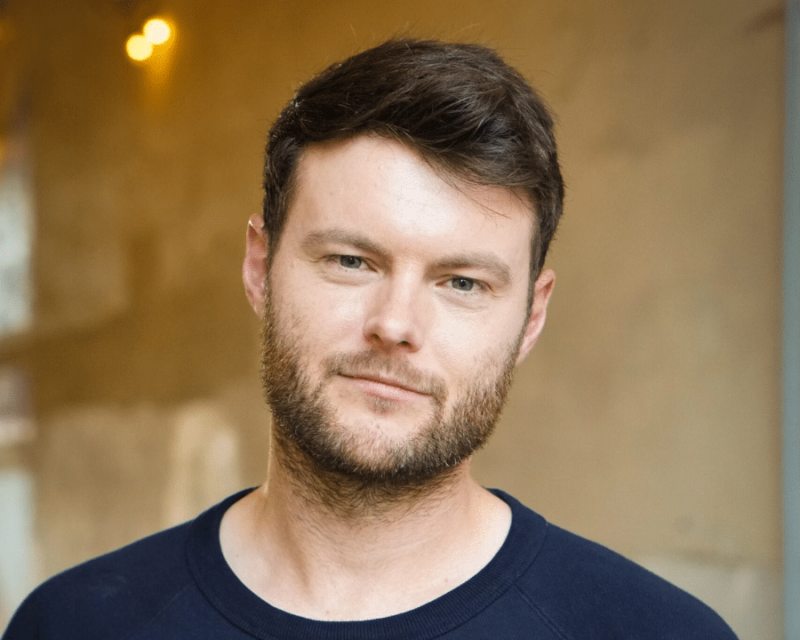
My Writing Life: Matthew Barry
“Stop thinking about it, stop procrastinating, just write it.” – BAFTA-winning screenwriter Matthew Barry.