
- RLF News
- Article
My Writing Life: Mark Haddon
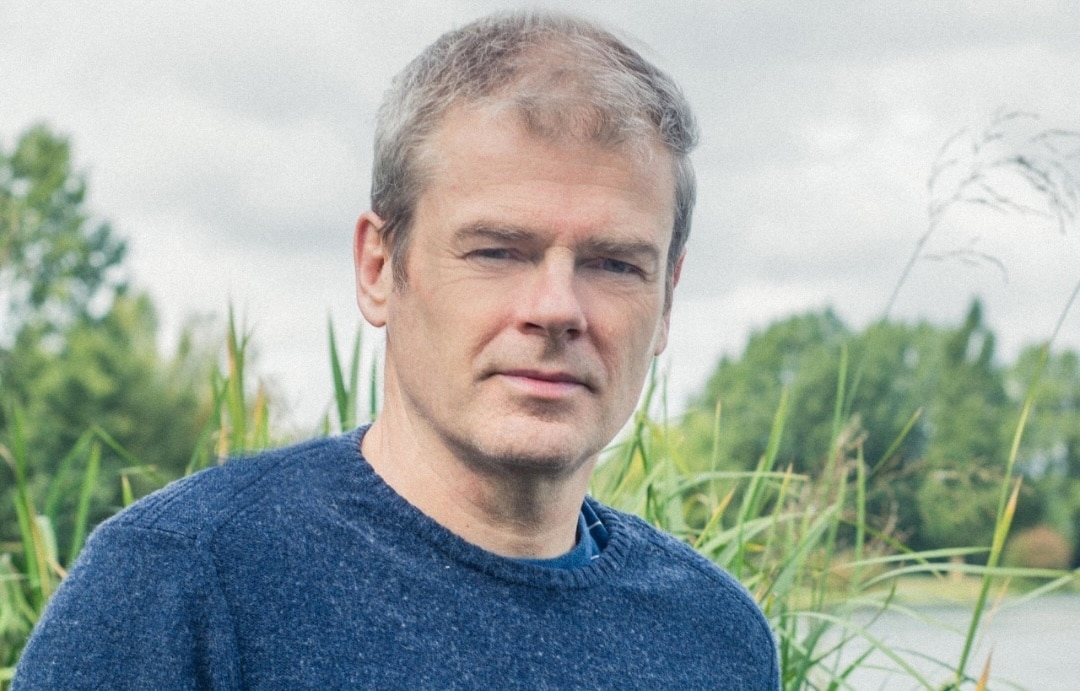
- 9 February, 2026
Writer and illustrator Mark Haddon has written many books for children, including the 2003 bestseller The Curious Incident of the Dog in the Night-Time. His latest book, an illustrated memoir about his life both as a child and as a young artist called Leaving Home: A Memoir in Full Colour, is out now, published by Penguin Books.
1. What book should every writer read?
I think the world would be a better place if more people – writers included – stopped telling other people what they should do.
2. Who has been an influential figure in your writing career?
Putting the dead (Virginia Woolf, R.S. Thomas, Patrick White…) to one side – my agent Clare Alexander, who has been at my side for nearly twenty five years, and my wife, Sos Eltis, who is my sternest, most reliable critic and best friend.
3. What is the one thing you wish someone had told you before you started your writing career?
I have a profound allergy to these alternative time-line counterfactuals. They simply don’t compute. We are who are precisely because of what did and didn’t happen to us, because of what was said to us and what wasn’t said. Perhaps that’s just an upmarket way of saying I don’t do regret. I have more than enough other psychological shortcomings to keep me busy.
4. What is the best advice you’ve ever received about your writing?
If it wasn’t the poet Paul Farley who told me this, he was certainly the person who formulated it best. Nurture that tiny critical voice at the back of your head. It’s all too easy to think you can get away with those lines, those paragraphs, those pages which you secretly know don’t quite work. Be brave. Listen to the voice. Cross them out and make the work better. I remember Paul saying that, early in his career, he used to send poems to literary magazines and the lines he quietly knew were not up to scratch would be illuminated by a sudden terrible light in that half-second between letting go of the envelope and it hitting the bottom of the post box.
5. What was the proudest moment of your writing career?
Those big moments, which doubtless look fabulous from the outside, are paradoxically unsettling and are nearly always followed by an unpleasant bump down to earth afterwards. For me, the proudest moments are those when I pick up something I’ve written – whether it was yesterday or twenty years ago – and get the buzz I get from any good writing and think, “Yes, I got that just right”. It doesn’t happen often.
6. What is your typical writing day like?
I wish I had one. So many of my days feel like wasted time (especially now as I stagger zombie-like through an extended post-Covid fog). To my repeated surprise, however, much of that wasted time often turns out, in retrospect, to have been very useful (many years ago I spent months on end learning how to draw using a mouse with the then-revolutionary Paint program which came bundled with early iterations of Windows; I then used the technique to create the illustrations in The Curious Incident of the Dog in the Night-Time). I only wish I could use that knowledge to drive out the near-constant conviction that I am going nowhere.
- What are you reading right now?
What in Me is Dark: the Revolutionary Life of Paradise Lost by Orlando Reade, and Everything Is Predictable: How Bayes Remarkable Theorem Explains the World by Tom Chivers.
- Bookmarker or page-folder?
Underliner, margin doodler, scribbler…
This article originally appeared on our Substack.
Image of Mark Haddon by Charles Moriarty.
You might also like:
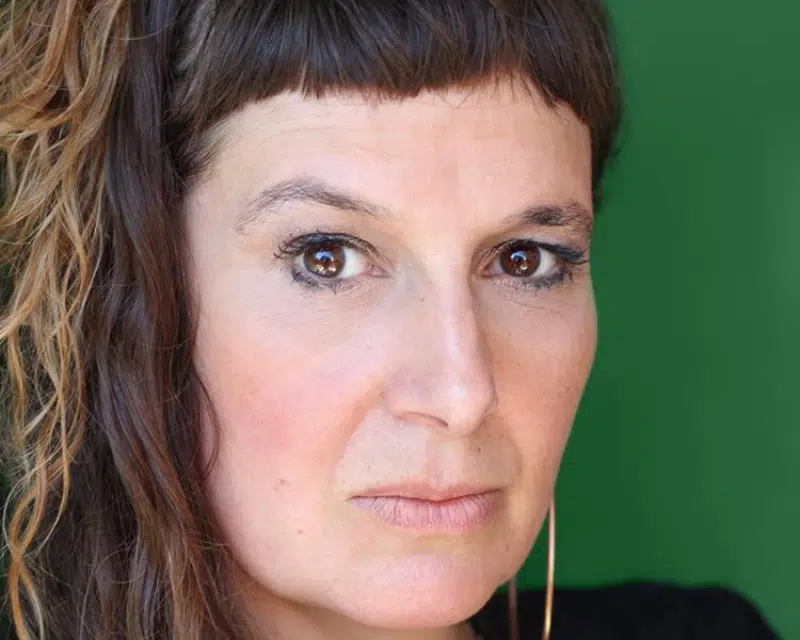
My Writing Life: Annie Siddons
“If you desire stability, holidays, nice stuff, and not being poleaxed by anxiety, choose another career.” – Annie Siddons
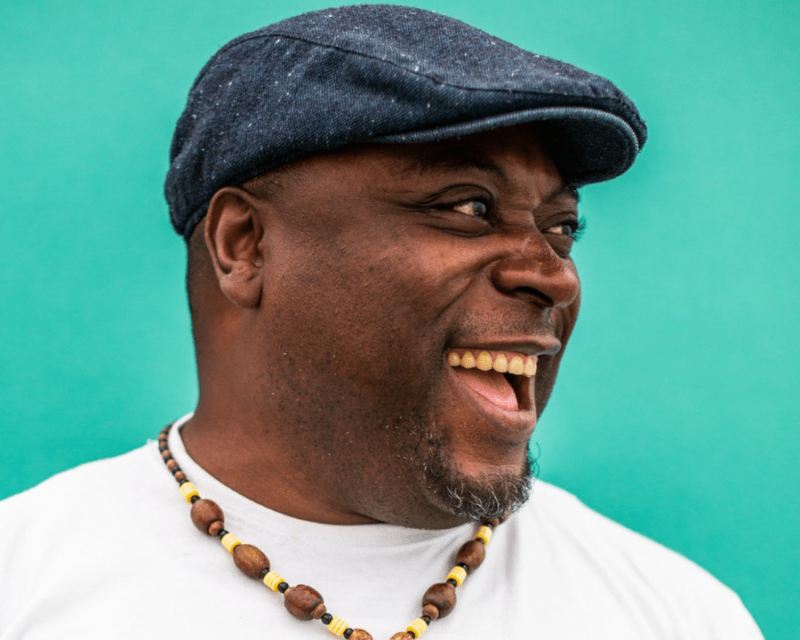
My Writing Life: Eric Ngalle Charles
“The best advice I ever received about my writing? – ‘Eric, this is crap.'” – poet, author and RLF grants…
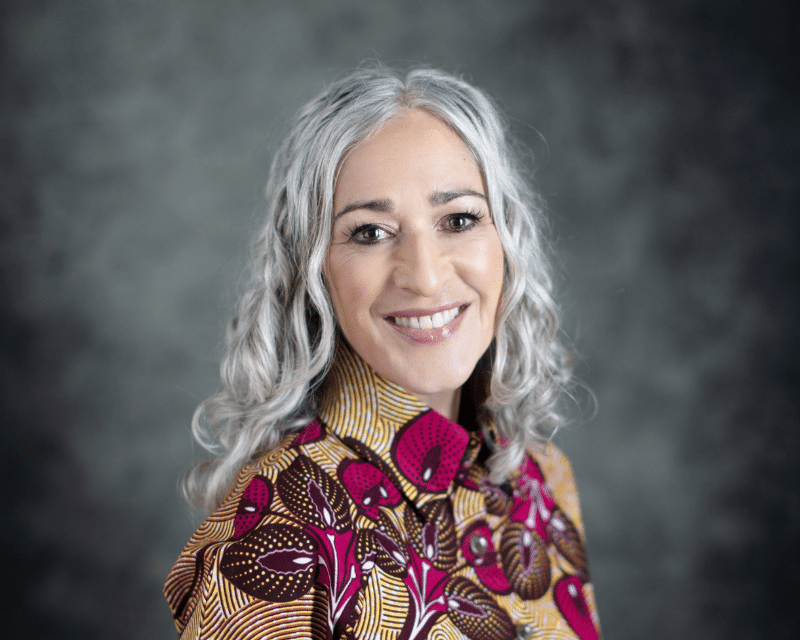
My Writing Life: Sanjida O’Connell
“Just because you have a book published it doesn’t mean you’re set for life.” – Sanjida O’Connell