
- Collected
- Article
Blythe Spirit: Ian Collins on Ronald Blythe
- 20 April, 2026
Writer and curator Ian Collins, literary executor of RLF benefactor Ronald Blythe‘s estate, on the life and times of the renowned nature writer.
By rights Ronald Blythe, born into poverty in 1922, should have been a beneficiary rather than a benefactor of the Royal Literary Fund. But over a century of frugal and fruitful life, he had good reason to conclude that others were far less fortunate than himself.
Ronnie, as he wanted everyone to call him, was the eldest of six surviving children of a Suffolk farmworker turned grave-digger and a nursing assistant from the London slum that was Covent Garden. His paternal line ran through centuries of wandering shepherds. They were astronomers, naturalists and guardians of folklore – impoverished and enriched.
The Blythes’ only permanent book was the King James Bible, where Ronnie found his faith and love of language. Otherwise, he imbibed library loans. The author of short-story and essay collections, novels, poetry, memoirs, anthologies, literary criticism and social history – the best of 40 titles appearing from his 80th year – would never have published anything without public libraries.
He also learned from looking, listening, walking and dreaming. His home in East Anglia between the wars was a wonderland of natural and cultural profusion. A boy who felt kinship with saints, local but long-gone painters Gainsborough and Constable, and sundry literary characters was thought to be away with the fairies.
Having been ejected from school at 14, Ronnie worked in a bookshop and then, since all the qualified people were busy with the war, as a Colchester librarian. The library became his university. As he read and read, he wrote: untrained, unconstrained.
His voice was invented, the Suffolk burr jettisoned for the cut-glass diction of a BBC-style commentator, which smoothed like sea-glass as he became wholly himself as a writer. Distance was needed from all he wished to depict – most notably the harrowing experiences of rural life in the internationally acclaimed Akenfield – to make the personal universal and avoid any idea of self-pity. He could never quite believe his luck.
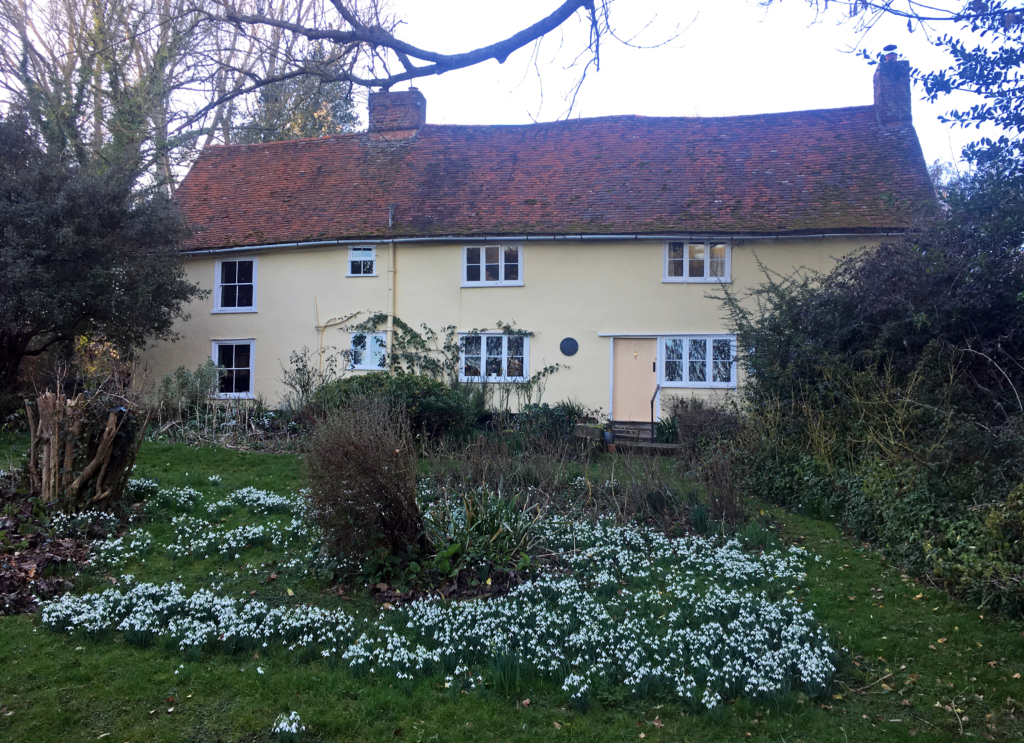
Bottengoms, now in the custodianship of the Essex Wildlife Trust.
Two key guides were encountered in the library. The artist Christine Nash led him to the enchanted world of Bottengoms in Wormingford, an ancient farmhouse in a spring-watered dell where her painter husband John Nash was making a plantsman’s paradise.
Ronnie joined the enchantment, tending to house, cats and garden, and later to the frail custodians, before the refuge passed to him. Christine prised him from the library and into a beach cottage near Aldeburgh, where he worked on an initial novel and met E.M. Forster.
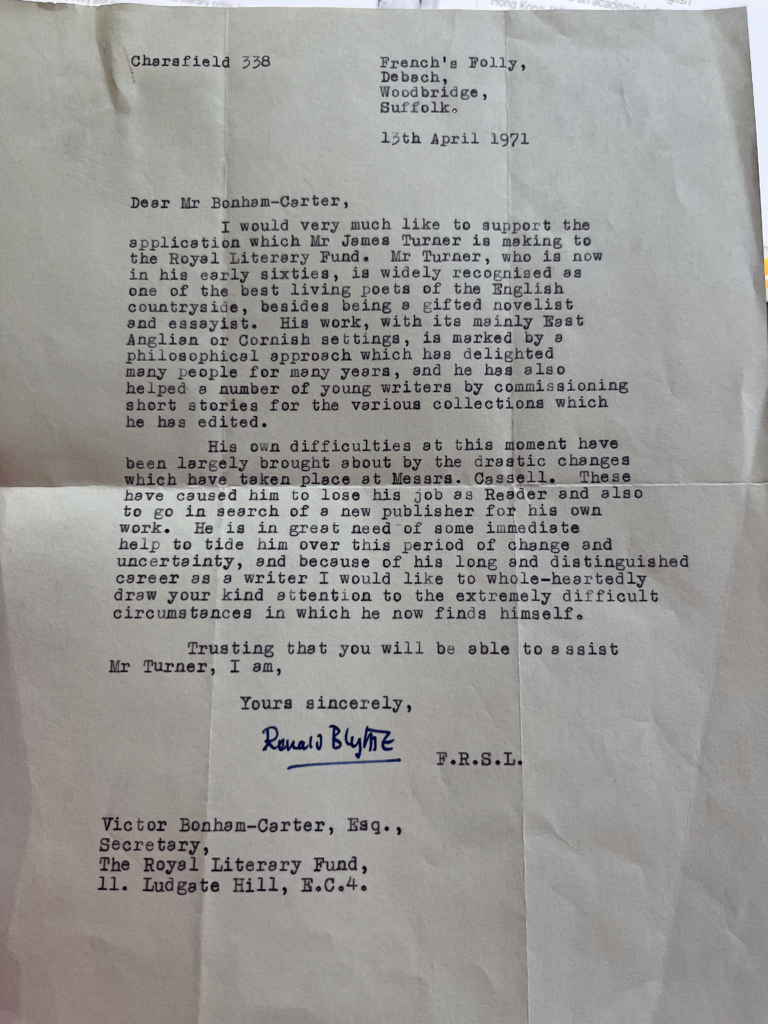
But a lightning bolt struck one morning in the library, when a colleague pointed out a poet. Tall, silver-voiced James Turner had ethereally pale skin against cheeks flaming red. The image of a masculine martyr, and to Ronnie a figure of wild romance, hid the trials of tuberculosis amid wrestles with finance.
His nurse was now his wife. Her name had changed from Lucie to Cathy when a writer in thrall to Wuthering Heights perceived the heroine of his stricken life. Ronnie added token tributes of beer, typewriter ribbons and razor blades, as well as endless adulation.
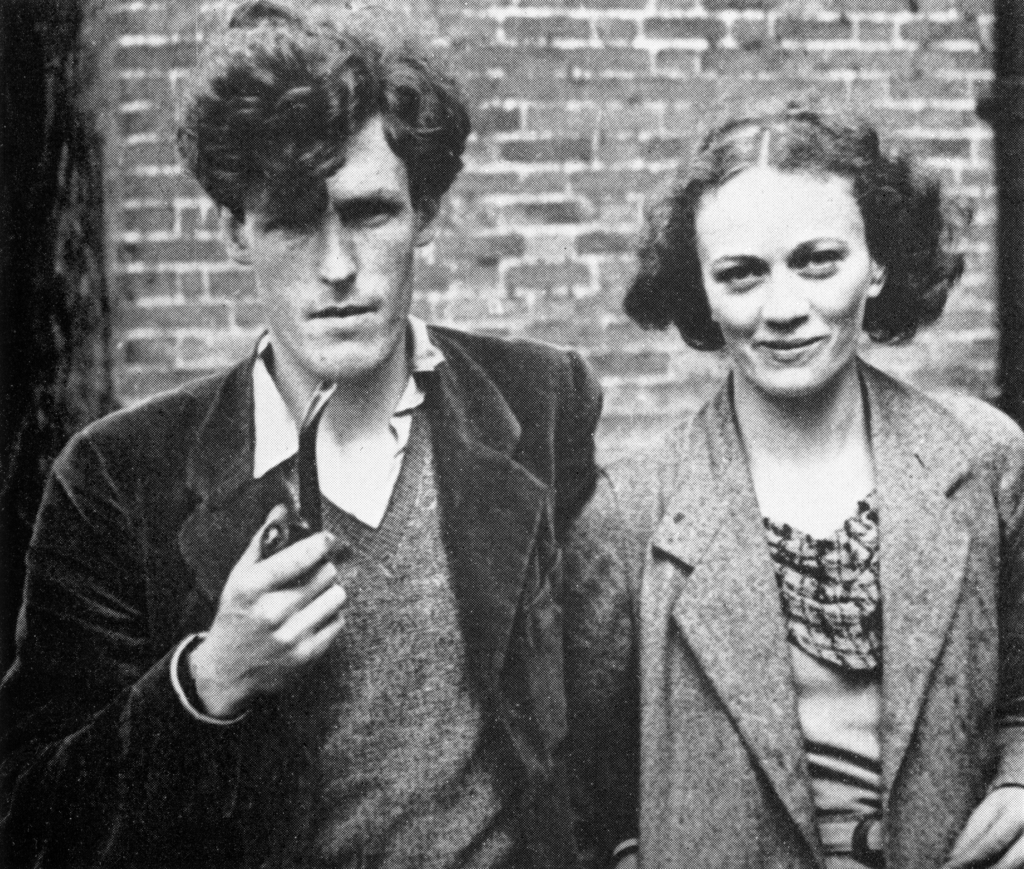
James and Lucie – aka Cathy – Turner. James was later an RLF beneficiary, with Blythe supporting his application.
No mean poet when he put his mind to it, Turner was more often writing and broadcasting for cash. He was always on the move in East Anglia, then in Cornwall, chasing greener fields and windfalls from property sales.
As a mentor he proved a very mixed blessing – homophobic and resentful of Ronnie’s brightening reputation as his own small star faded. But an acolyte remained steadfast, lending literary and secretarial help and winning support from the Royal Literary Fund. When Turner died aged 66 in 1975, Ronnie secured more RLF backing for his widow. He never forgot his debt to a flawed guru. “I based my life on his freedom,” he said at 90.
I myself fell for the enchantment of Bottengoms in 1988, seeking a foreword for my first art book from East Anglia’s great man of letters. Our friendship lasted for 35 years. I became a carer and contributed to Next to Nature: A Life in the English Countryside, the volume of selected Blythe writings and homages from friends and fans marking his centenary. When he died, two months later, it was a best-seller.
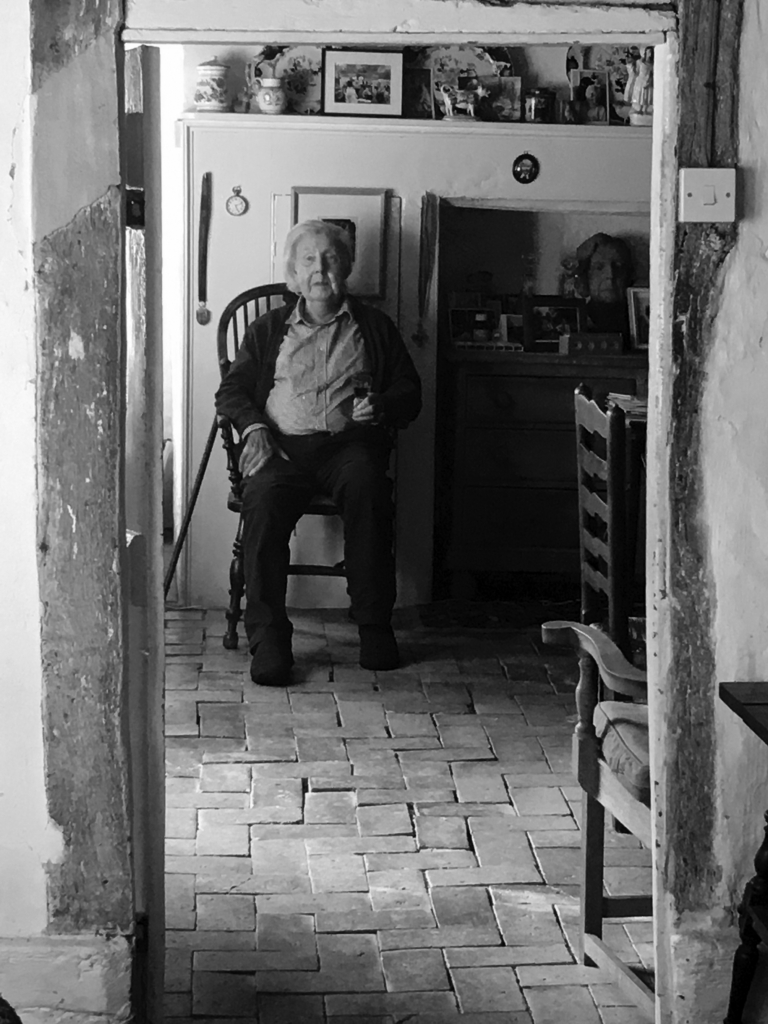
Ronald Blythe at home in Bottengoms.
We told his story together in Blythe Spirit: The Remarkable Life of Ronald Blythe (John Murray). Some were surprised by the physical revelations of a gay man so at ease in his own skin. I had been taken aback only by the life-long impact of early poverty. By the end, he seemed to gain from everything he lacked.
The library pension he cashed on launching as a writer was never spent. Literary income, however meagre, exceeded his needs until he retired at 94. He lived happily without the things most of us take for granted (mains plumbing, car, computer, mobile phone). A sole extravagance lay in shunning water for sherry.
I tapped several savings accounts to keep him at home as he wished; the estate lawyer found lots more. Essex Wildlife Trust inherited Bottengoms and almost £500,000. A rescue plan for a creative retreat, nature reserve and educational resource for sustainable living in the landscape, is wonderfully underway.
The Blythe archive has gone to the British Library and Christine Nash’s paintings to Tate. Resurgent royalties are passing to the Royal Literary Fund in a final gesture of gratitude to James Turner. He has already found immortality as the poet in Akenfield, a college text on both sides of the Atlantic whose sales have now passed 400,000 in the UK alone.
Ronnie’s appreciative and enlightening life and legacy are all of a piece. My hope is that billowing RLF royalties will help to fuel the beacon that is Bottengoms.
Ian Collins is Ronald Blythe’s literary executor. His Blythe Spirit biography won the 2025 New Angle Prize.
Ronald Blythe is one of a number of writers to have left a portion of his Estate to the Royal Literary Fund. You can browse our Estates Directory here, and find out more about leaving a legacy to the RLF, including leaving a gift in your will, here.
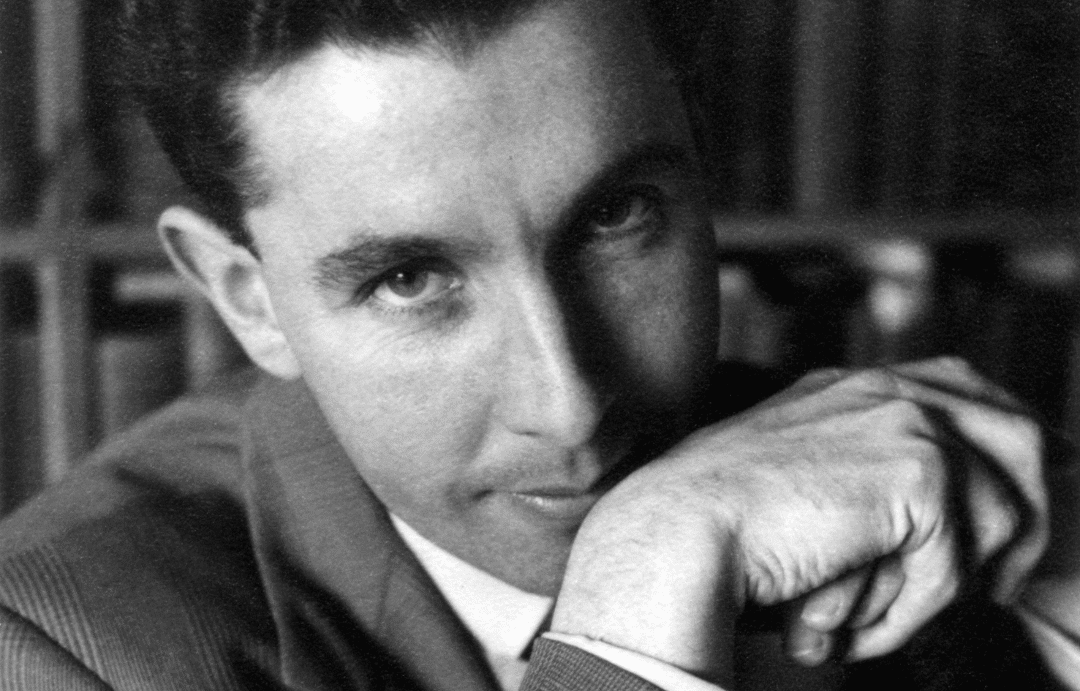
Main image of Ronald Blythe © Kurt Hutton.
You might also like:
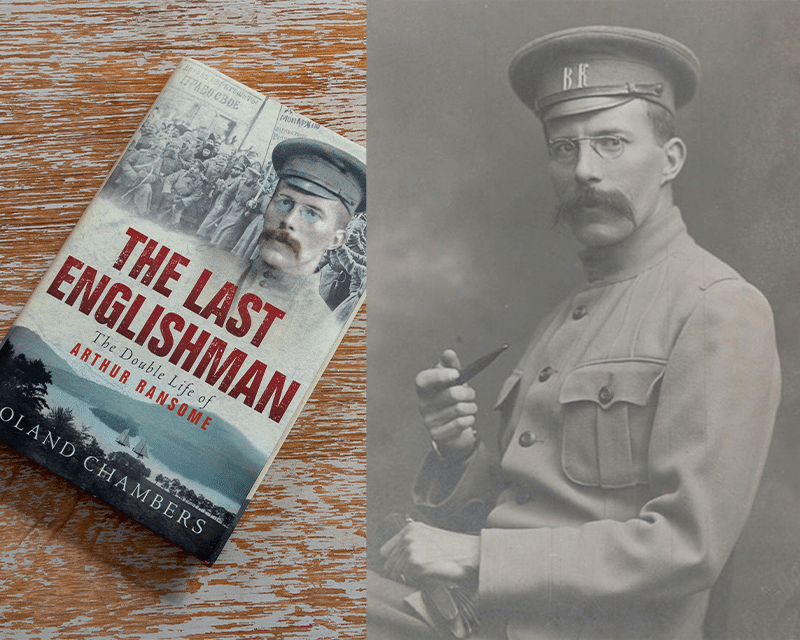
From Russia’s ‘Red Ransome’ to The Last Englishman
“I learned so much; I’m grateful to him.” Roland Chambers on his Arthur Ransome years, which he spent exploring Ransome’s…
Making Writing Work Part 2: Plot Twist
On Tuesday, 21 April at 6 PM (GMT), Nick Ahad will return to chair the RLF’s second free webinar.
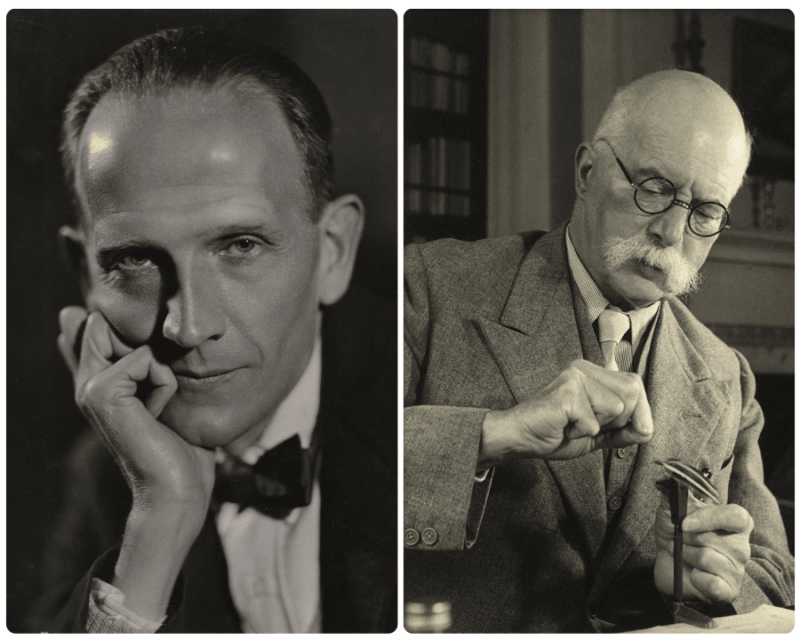
Passing on the pen: a writer’s legacy
Writers AA Milne and Arthur Ransome share a birthday – and they both donated a portion of their estate to…